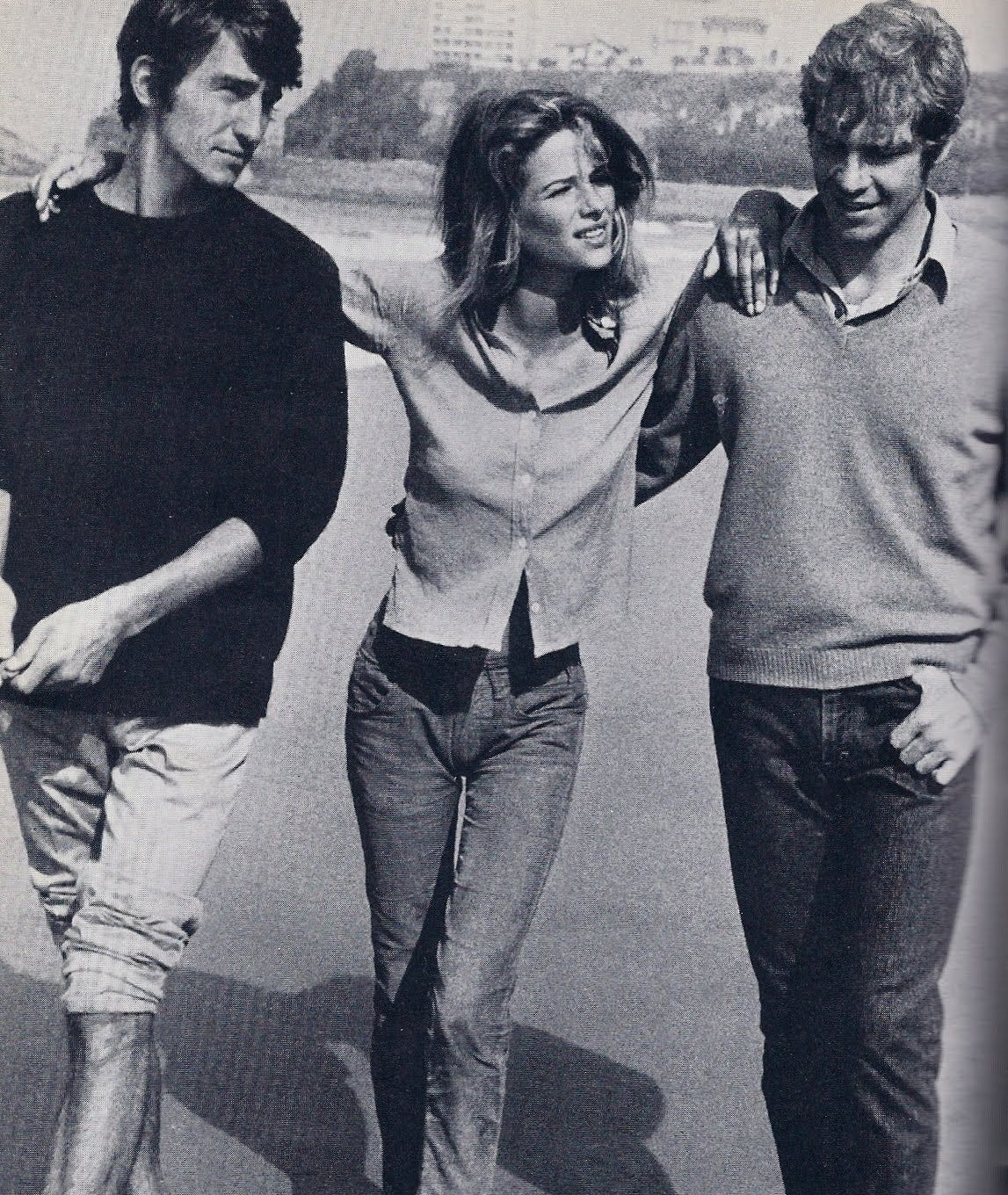
Three (1969)
"My mother always said I'd marry two men. Yes, but at the same time..."

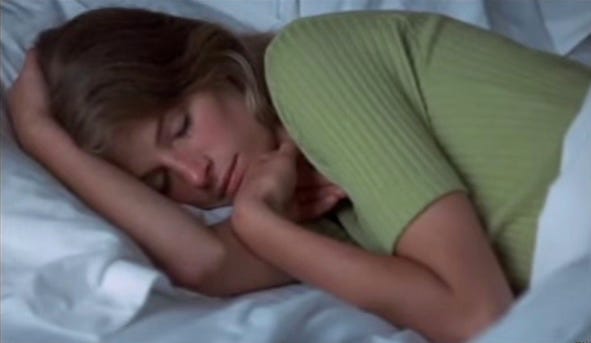
Let’s stick with our ‘France in the Sixties’ theme and turn to Three (1969), directed by James Salter (the American writer), and based on the Irwin Shaw short story, Then We Were Three (1955), and starring a young Charlotte Rampling and Sam Waterston. I watched it last night and loved it, and despite negative criticism online, I think it’s a wonderful film. Detached, visual, elegant and spare.
I suppose if you like CGI, thrills, spills and explosions, superquick editing, and deafening surround sound, accompanied by the munch of rancid popcorn, then you’re going to loathe Three (1969), a film set in the languid summer of 1968, in which good-looking people drift around Europe, visit museums, smoke Gauloises, lie on beaches in white bikinis, and don’t say very much to each other. But there’s far more to it than that. It’s marvellously subtle. There are terrific performances from Charlotte Rampling and Sam Waterston; Charlotte, especially, who’s utterly captivating as Marty, this sophisticated, self-possessed and enigmatic English girl. And all of this is set against lovely, unhurried cinematography and fabulous location work, the road trip that says Tuscany, Florence, Rome, the French Riviera, Antibes and Biarritz. And it’s beautifully made.
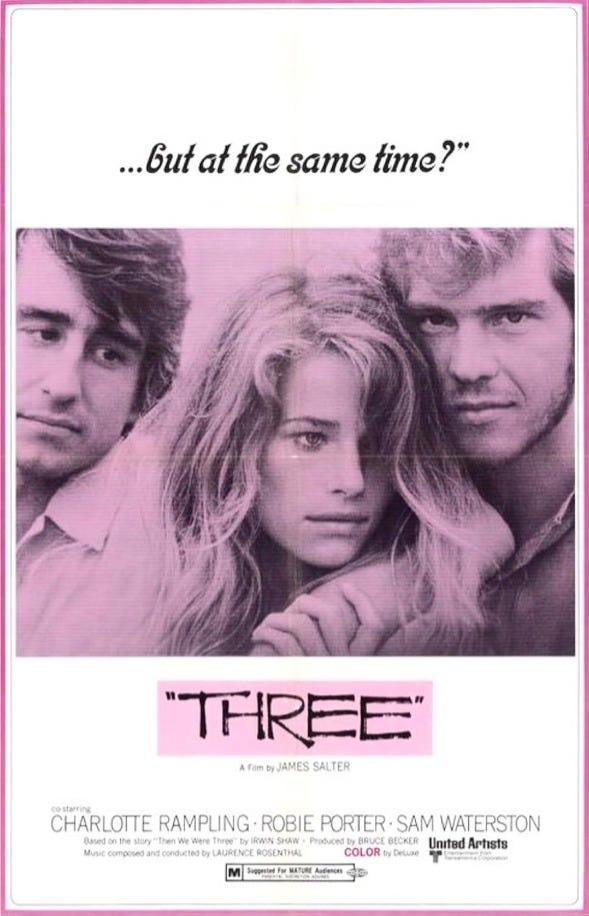
Two American ‘college’ boys (in Brooks Brothers shirts) are on a Grand Tour of France and Italy. Taylor (Sam Waterston) and Bert (Robie Porter). They’re both in their very early twenties, in that in-between bit between University and Law School, or the equivalent. And they’re from well-off, comfortable backgrounds, or at least the more refined Taylor is. Bert’s the more confident one, with the All-American good looks: blond, tanned, growing a beard; wears a pendant. Taylor’s not as good-looking, but he makes up for it with his sensitivity and reserve, which, for the purposes of the film, makes him, apparently, more attractive to women, or at least according to Bert — although from memory, in my early 20s, I don’t remember it being this way. It was always the arrogant, super-confident tosser, the boy with the Brideshead quiff, who got the girl.
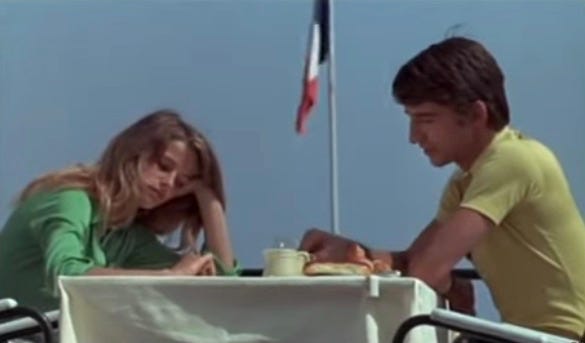
And so the boys hire a decrepit convertible Peugeot 202, the car with the weird headlamps, like a cross-eyed froglet, and head for sunny Tuscany.
Already we’re in The Talented Mr. Ripley territory (but without the murder), Americans and Brits in Europe, Two for the Road (1967), Secret World (1969), And Soon the Darkness (1970), Le Magnifique (1973), The Day of the Jackal (1973), And By the Sea (2015); Gerald and Sara Murphy on the Cote d’ Azur; the Lost Generation, Lord Byron and the Shelleys at the Villa Diodati.